
Who Were the Aryans? Aryan Migration and the Ancient Civilization of India
Explore who the Aryans were, where they came from, and how their migrations influenced ancient Indian civilization. Discover insights from genetics, archaeology, and history.
1/2/20264 min read
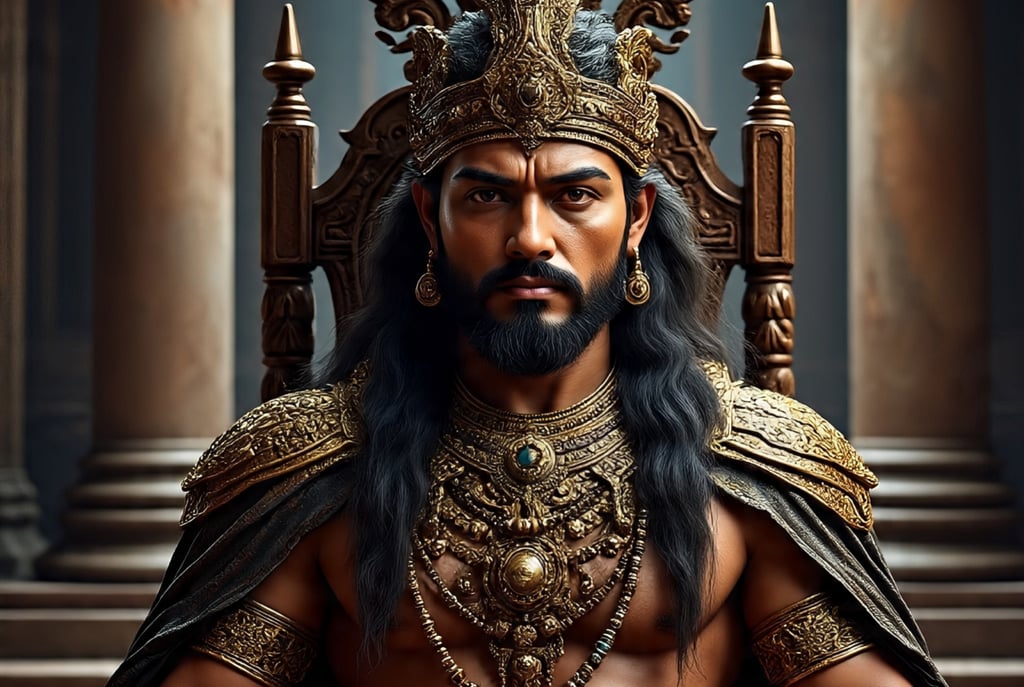
👨🏽 Who Were the Aryans and Where Did They Come From?
Introduction: The Aryan Question
For decades, historians, linguists, and geneticists have debated one of the most intriguing questions in South Asian history: who were the Aryans, and where did they come from? The topic has attracted attention not only from scholars but also from political groups, especially Hindu nationalist organizations in India.
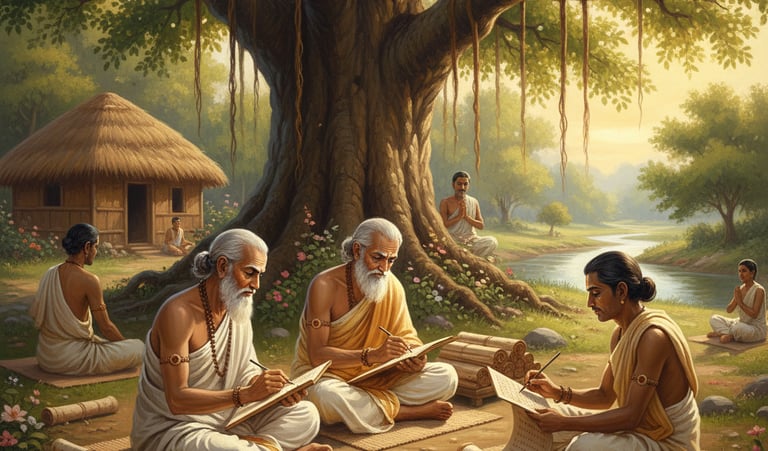
Some right-wing Hindu groups claim that the Aryans were a warrior nomadic tribe who traveled on horses, herded livestock, and composed the earliest Hindu sacred texts known as the Vedas. According to them, the Aryans originated in India and later spread across vast regions of Asia and Europe, laying the foundation for Indo-European languages still spoken today.
In the 19th century, many European linguists and racial theorists, including Adolf Hitler in Nazi Germany, believed that Aryans were a “superior race.” Hitler, however, associated them specifically with the Nordic peoples. Scholars today emphasize that the term Aryan, as used historically, does not refer to a single race, but rather to people who spoke Indo-European languages and self-identified as Arya.
The Aryan Concept: Linguistic and Historical Perspectives
Modern historians and geneticists use the term “Aryan” to describe speakers of Indo-European languages, not a particular racial or ethnic group. This distinction is critical, as misconceptions by political ideologies and early European scholars have often led to misunderstandings.
Many Indian scholars question the “India-origin theory” of the Aryans. They suggest that Aryans—or Indo-European language speakers—might have been part of prehistoric migrations into India after the decline of earlier civilizations, particularly the Indus Valley Civilization, also known as the Harappan Civilization.
The Indus Valley Civilization and Early Settlers
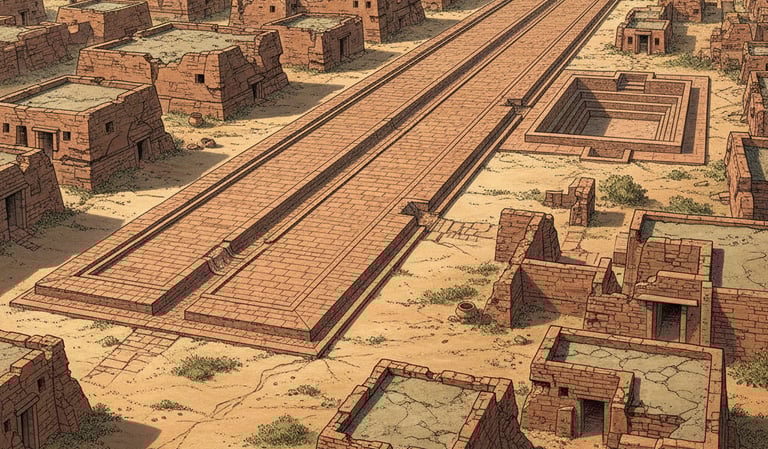
The Harappan Civilization flourished in what is now northwestern India and Pakistan, contemporaneously with ancient Egypt and Mesopotamia. It was an advanced urban culture known for its sophisticated city planning, standardized weights and measures, and agricultural practices.
Some right-wing groups argue that the Harappans were Aryans or Vedic people. However, archaeological evidence suggests that the Harappan Civilization predated the Aryan migration by several centuries. Genetic studies indicate that the Harappan population descended from people who had migrated from Africa around 65,000 years ago and had settled in South Asia long before the Aryans arrived.
New Insights from Genetics
Recent advances in ancient DNA research have revolutionized our understanding of human migrations. By analyzing genetic material from ancient remains, scientists can trace population movements and intermixing in prehistoric times.
In March 2018, a landmark study titled “The Genomic Formation of South and Central Asia”, led by David Reich of Harvard University, synthesized research from 92 global experts in genetics, archaeology, and anthropology. This study provided crucial evidence about the demographic history of South Asia.
Major Findings: Two Significant Migrations
The study revealed that over the last 10,000 years, two major waves of migration shaped the genetic landscape of India:
Southwest Iranian Migration
Originated from the Zagros region of present-day Iran, known for early pastoralism and goat herding.
Occurred roughly between 7,000 and 3,000 BCE.
Migrants mixed with the existing population, contributing to the formation of the Harappan Civilization.
Aryan Migration
Took place around 2,000 BCE, likely from the Eurasian Steppe, possibly modern-day Kazakhstan.
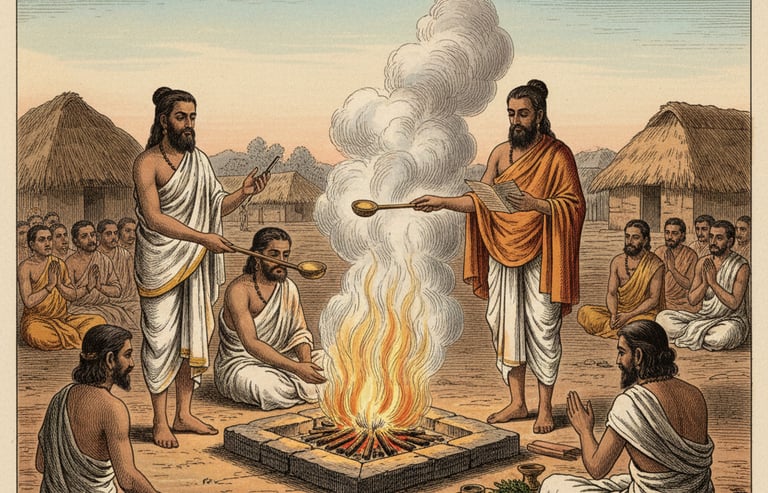
These migrants brought early Sanskrit, horse domestication, rituals, and other cultural practices that influenced the early formation of Vedic religion.
Other migrations also influenced the subcontinent, including groups from Southeast Asia who spoke Austroasiatic languages.
Political Implications and Debates
The Aryan migration theory is controversial in India, particularly among Hindu nationalist groups. Accepting that Aryans were migrants challenges the notion that Vedic culture was the sole source of Indian civilization. It also complicates narratives about racial purity and cultural primacy.
Additionally, acknowledging migration patterns highlights the multicultural and multi-ethnic nature of South Asian history, placing later migrants such as Muslim invaders and Mughals in the same context of historical population movements.
Some right-wing politicians have attempted to revise school textbooks to downplay Aryan migration, reflecting the political sensitivity of this issue.
The Broader Significance
The main takeaway from these genetic and archaeological studies is that Indian civilization is a mosaic of multiple populations and cultures. The Aryans, while culturally significant, were one of many groups contributing to India’s rich historical and genetic heritage.
This understanding underscores the complexity of human history and emphasizes that civilizations are rarely the product of a single people or culture.
Further Reading:
Harvard University Genetics Research
BBC Urdu Coverage on Aryans
Books:
Tony Joseph, The Early Indians: The Story of Our Ancestors and Where We Came From, Juggernaut Publications, India
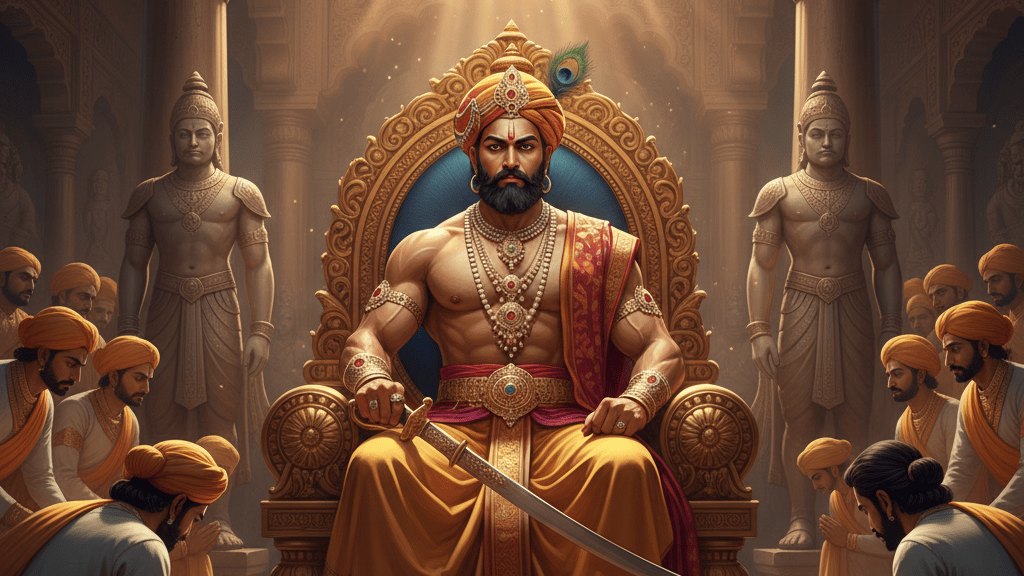



About Global Knowledge
Global Knowledge is an informational platform dedicated to sharing insights on science, technology, history, health, and global trends. Our mission is to make knowledge accessible, clear, and useful for everyone around the world.
© 2026 Global Knowledge. All Rights Reserved.
Write your text here...
Disclaimer
All content on Global Knowledge is provided for informational and educational purposes only. It does not constitute professional, medical, or legal advice.