You Have Already Lost: Gen Z, Broken Systems, and the End of Forced Patriotism
Generation Z is rejecting outdated political systems, forced patriotism, censorship, and economic exclusion. A global analysis of youth disillusionment and survival.


You Have Already Lost: Gen Z, Broken Systems, and the End of Forced Patriotism
For the aging establishment clinging to power, everything has already come to an end. Generation Z — sharp, informed, and restless — will no longer buy what authorities are trying to sell. No matter how many patriotic speeches are delivered in schools or colleges, or how many seminars are organized about loyalty to the nation, the old methods are obsolete. Patriotism cannot be lectured into existence; it arises naturally when people have equal opportunities, effective infrastructure, and guaranteed rights. When citizens can access basic needs and justice, there is no need to tell them they should love their country — they already do.
Generation Z, and the emerging Generation Alpha, can see reality clearly. Attempts to force ideas about patriotism, morality, and obedience have failed. Even with limited education and an imperfect system, the internet has given youth access to knowledge. As highlighted in How Internet Censorship Is Failing Worldwide, no government can fully control information anymore. No matter how hard authorities try to keep people ignorant, they are failing. Citizens cannot be told what to think anymore — they are thinking for themselves. Silence may be their survival strategy, but it masks a deep understanding of the hypocrisy and performative morality carefully staged by those in power. Power may keep leaders in authority, but it cannot secure respect. The inability to step outside without heavy security is proof of the loss of legitimacy.
When Silence Becomes a Statement
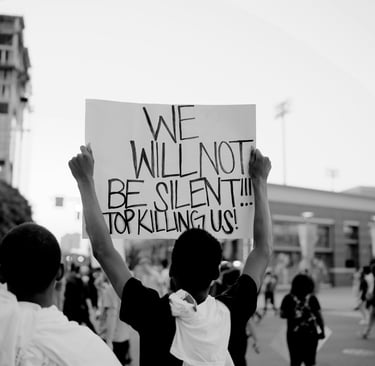
The young are exhausted. They have learned that challenging entrenched power comes at unbearable costs. So they leave quietly. Some may dream of launching anti-corruption movements, but most opt for silent exit. They do not look back, having seen what happened to those who raised their voices — silenced, marginalized, or punished. This silent migration, as discussed in The Global Brain Drain Crisis Explained, is the ultimate protest of a generation denied justice and opportunities.
Older generations — the Boomers — now face the consequences. They no longer control the future. There is a massive divide between what the youth expect and what the old guard delivers. Generation Z wants fast, affordable internet; authorities enforce firewalls and restrictions. They want smartphones without excessive taxes; governments profit off every device. Freelancing freedom is demanded by the youth, yet authorities impose tighter regulations. The gap is irreconcilable, and the verdict is clear: the old system has already lost.
Digital Natives Cannot Be Censored
You can wage wars. You can clamp down on mainstream media. You can control television and newspapers. Yet the youth respond with memes, viral commentary, and alternative platforms like YouTube, Rumble, and Discord. As Freedom House reports, internet freedom has become the frontline of generational resistance. Ideas cannot be controlled. Every attempt at censorship fuels creativity. Every restriction becomes content to be mocked and shared.
Even in the absence of functional libraries, affordable housing, or the means to buy cars, youth adapt. They create online communities, find solace in books, cafés, and small cultural spaces, navigating a world broken by the older generation. The economy they inherited, described by World Bank youth migration data, is morally worse than the infrastructure itself. Yet they persist, thriving in spite of systemic failure.
Economy, Opportunity, and the Moral Bankruptcy of Power
Generation Z inherits an economy designed for control rather than growth. Affordable housing, basic goods, and job opportunities are increasingly inaccessible. Meanwhile, those in power enjoy premium lifestyles — top-tier food, clean water, and safety. The contrast is glaring. While the old guard benefits from unearned advantages, youth must navigate the consequences.
They are not ungrateful; they are conscious. Where authorities see silence, youth see strategic withdrawal. Where the ruling class fears dissent, youth exercise subtle resistance. This is the ultimate expression of powerlessness transformed into resilience. As noted in OECD youth and policy reports, youth disillusionment correlates strongly with limited opportunities and perceived corruption.
Freelancing, Digital Work, and Economic Independence
In a world where global freelancing and remote work are possible, governments attempt to impose restrictions. Payment gateways are blocked, regulations tightened, opportunities constrained. But youth refuse to be boxed in. Digital freedom is economic freedom, and restricting it drives talent elsewhere. Brain drain is no longer a warning — it is a reality. Platforms like Upwork, Fiverr, and other freelance networks are lifelines, proving that governments cannot tax skill into submission.
This is not rebellion; it is survival. Generation Z is learning fast, adapting globally, and refusing to wait for permission.
Culture as Resistance
Despite scarcity and systemic failure, Generation Z thrives culturally. Music, books, online communities, cafés, humor, and digital creativity provide spaces where truth, identity, and expression are shared freely. Stand-up comedy and memes are not mere entertainment — they are acts of subtle resistance. Where television seems hysterical or disconnected, humor and digital culture become the lens through which reality is understood.
Even in adversity, youth innovate, create, and build communities where ideas cannot be controlled. Permission is unnecessary. Action and creativity are the rules.
When No One Is Listening
The ruling class will eventually confront a brutal truth: they are no longer heard. Gen Z has their headphones on, paid Spotify subscriptions, digital communities, and exit plans. Some leave the country; others remain to subtly mock the system. Either way, the narrative of control has ended. Power may exist, but legitimacy and influence are gone.
According to Pew Research, the majority of Generation Z reports skepticism toward governmental narratives and mainstream media, illustrating the disconnect between authority and the young population.
Conclusion: A Generation That Cannot Be Controlled
This is not alarmism — it is observation. Generation Z and Generation Alpha are aware, informed, and independent. Attempts to enforce patriotism, manipulate morality, or control expression will no longer succeed. They see the cracks, hypocrisies, and moral failures of their predecessors.
The old guard may still occupy offices and wield force, but the future belongs to those who refuse to be silenced. Those who see, think, create, and act. Obedience is no longer demanded; independent thought is now inevitable.











About Global Knowledge
Global Knowledge is an informational platform dedicated to sharing insights on science, technology, history, health, and global trends. Our mission is to make knowledge accessible, clear, and useful for everyone around the world.
© 2026 Global Knowledge. All Rights Reserved.
Write your text here...
Disclaimer
All content on Global Knowledge is provided for informational and educational purposes only. It does not constitute professional, medical, or legal advice.