
US Military Captures Venezuelan President Maduro — Full Story & Analysis
US Military captures Venezuelan President Maduro in a daring raid. Full story, analysis, and global reactions explained
US Military Captures Venezuelan President Maduro — Full Story & Analysis
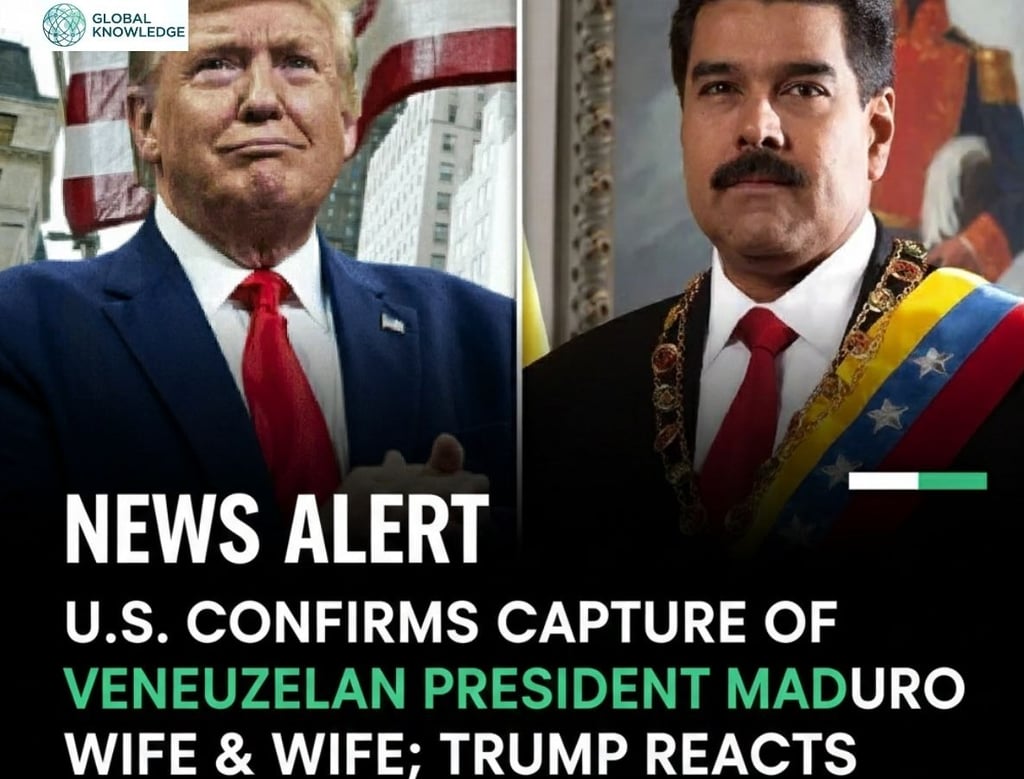
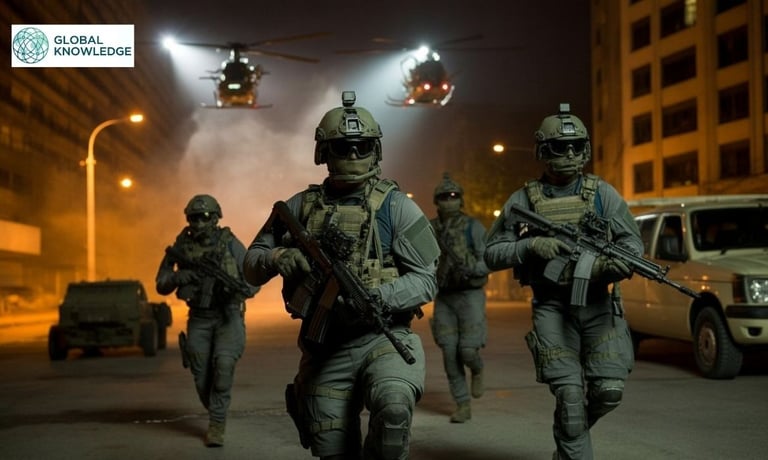
The world woke up to shocking news: the US Military Captures Venezuelan President Maduro in a daring pre-dawn operation that stunned governments and citizens alike. According to U.S. officials, elite forces conducted the Delta Force raid Caracas, quickly overpowering Maduro’s heavily fortified residence.
Intelligence played a key role, as the CIA intelligence Maduro network tracked his every move, enabling a swift and precise strike. Within hours, reports confirmed Maduro arrested and flown to US, setting the stage for the highly anticipated Maduro trial in New York. This dramatic event highlights ongoing tensions in the Venezuela political crisis and raises serious questions about U.S. foreign intervention and its global consequences.
The news spread fast across the United States. Many people woke up to headlines saying the U.S. military had captured Venezuela’s president. It sounded unreal at first. Yet within hours, senior officials confirmed it. The Nicolás Maduro capture operation marked one of the most dramatic moments in modern U.S.–Latin America history.
This article explains what happened, why it happened, and what comes next. You’ll read about the operation, the politics behind it, the Venezuela political crisis, and the global diplomatic fallout. Everything is written in easy English. Short sentences. Clear ideas. No confusion.
How the US Military Captured Venezuelan President Maduro
The operation unfolded before dawn. U.S. forces moved fast and quietly. Intelligence teams tracked Maduro’s location for weeks. At the right moment, elite troops entered Caracas. The Delta Force raid Caracas ended with Maduro detained inside a heavily guarded compound.
Officials say this was not random. The mission followed months of planning. The CIA intelligence Maduro network played a central role. Human sources confirmed his movements. Signals intelligence filled in the gaps. When conditions aligned, Washington gave the final order for the U.S. military strike Venezuela.
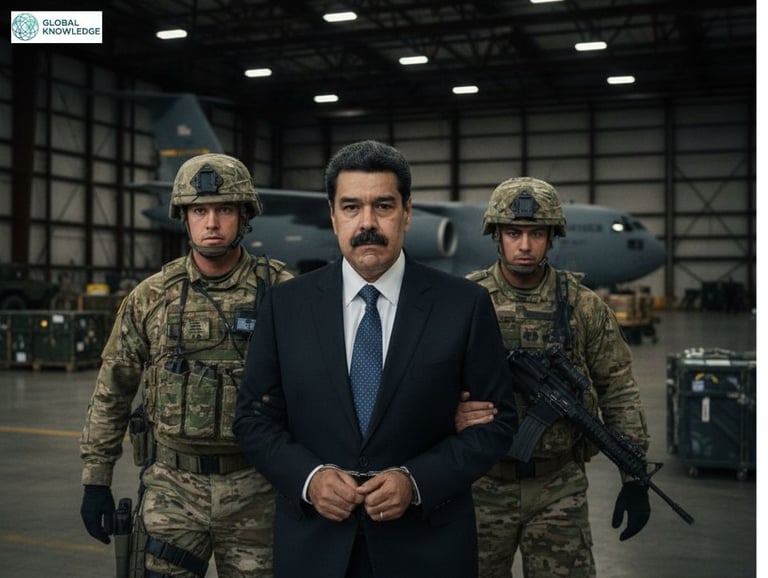
The speed surprised even experts. Maduro tried to reach a secure room. He failed. Within minutes, U.S. forces restrained him. They then prepared immediate extraction. By sunrise, the Venezuelan leader was gone.
Maduro arrives in US after stunning capture in operation that Trump says will let US ‘run’ Venezuela
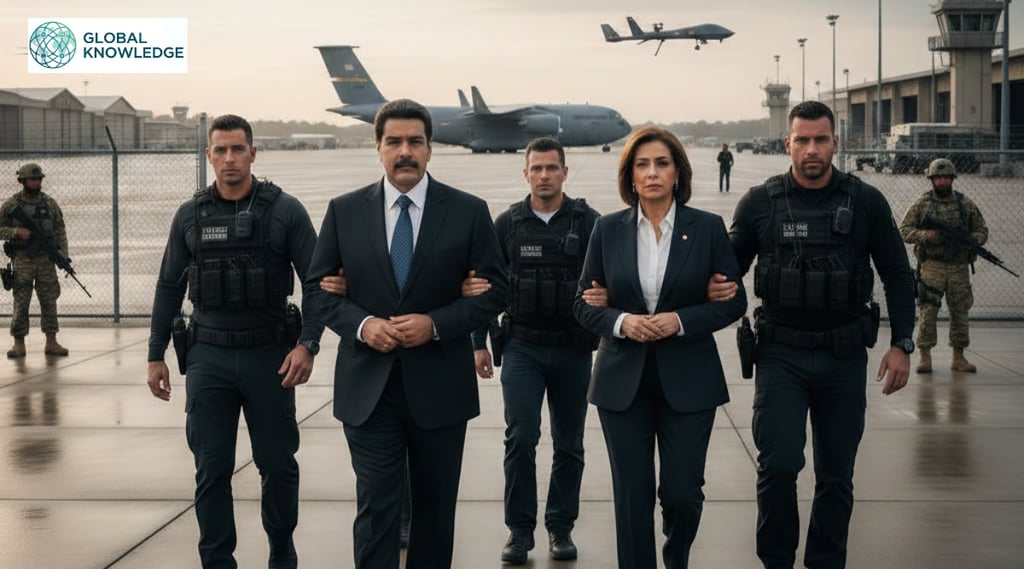
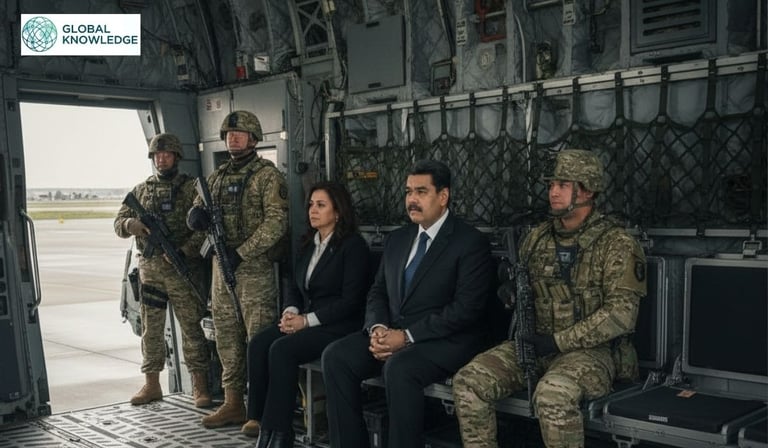
Soon after the raid, American officials confirmed Maduro’s arrival on U.S. soil. Aircraft transported him under heavy guard. Reports say he landed at a secure military facility. From there, federal authorities took custody. This confirmed the headline many doubted: Maduro arrested and flown to US.
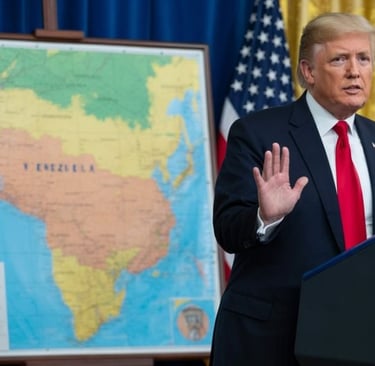
Donald Trump said the operation opened a new chapter. He claimed the U.S. would help stabilize Venezuela. He also said Washington might “run” the country for a short time. That statement alone sparked intense debate. Many asked what “temporary” really means in U.S. foreign policy.
This moment also set the stage for the Maduro trial in New York. Prosecutors accuse him of drug trafficking and weapons crimes. Legal experts say the case could last years.
U.S. plans to ‘run’ Venezuela and tap its oil reserves, Trump says, after operation to oust Maduro – Reuters
Trump linked the operation to Venezuela’s energy future. The country holds some of the world’s largest Venezuela oil resources. U.S. officials argue those resources were mismanaged under Maduro. They say corruption destroyed production and deepened poverty.
Critics see another story. They argue oil interests always shape U.S. foreign intervention. Venezuela’s reserves make it strategically valuable. Control over energy routes also matters. That reality fuels suspicion both abroad and at home.
Below is a simple table showing why Venezuelan oil matters.
Factor
Why It Matters to the U.S.
Proven reserves
Among the largest globally
Location
Close to U.S. shipping routes
Market impact
Can affect global oil prices
Energy security
Reduces reliance on rivals
Trump says US will run Venezuela at least temporarily after military operation – Reuters
The word “temporary” carries weight. In past conflicts, temporary control often lasted longer than planned. Many Americans remember Iraq and Afghanistan. That memory shapes today’s debate around Trump Venezuela policy.
Supporters argue the situation is different. They say Venezuela needs order first. Elections can follow later. Opponents warn of mission creep. They fear the U.S. could inherit responsibility for a broken state.
Congress has already asked questions. Lawmakers want limits. They want timelines. The White House has yet to give clear answers.
World leaders denounce U.S. operation to capture Maduro – Axios
The international reaction to Maduro capture was swift. Several governments condemned the raid. They called it a violation of sovereignty. Others stayed silent. A few quietly supported Washington.
Latin American nations showed mixed views. Some leaders praised Maduro’s removal. Others feared precedent. Europe urged restraint. Russia and China criticized the action sharply.
This response highlights the global diplomatic fallout. Trust between major powers has weakened. Alliances now face stress tests.
US has captured Venezuela’s President Maduro and wife, says Trump – The Guardian
The capture included Maduro’s wife. That detail intensified criticism. Human rights groups questioned the legal basis. They asked whether her detention followed due process.
U.S. officials insist it did. They claim evidence linked her to financial crimes. Still, the move added pressure on Washington. It also fueled debate over the legal implications of US operation.
International law experts remain divided. Some say the action fits counter-narcotics enforcement. Others say it crosses a red line.
Reaction: Trump Says U.S. Will “Run” Venezuela After Maduro’s Capture – Americas Quarterly
Policy experts reacted quickly. Some praised decisiveness. They argued Maduro’s rule collapsed Venezuela’s economy. Others warned of backlash. They said U.S. control could trigger resistance.
Business leaders focused on stability. They want clear rules. Humanitarian groups worry about civilians. Food shortages remain severe. Hospitals still struggle.
Public opinion in the U.S. remains split. Many support accountability. Many fear endless involvement.
Maduro Approaches His Last Act as Venezuela’s Autocratic Leader – Bloomberg
Maduro’s fall did not happen overnight. Years of sanctions weakened his grip. Inflation erased savings. Millions fled the country. The Venezuela political crisis eroded loyalty within state institutions.
By the time of the raid, his power base had shrunk. Analysts say that made the operation possible. Few forces rushed to defend him. Silence followed instead.
This marks the end of an era. Yet endings often bring uncertainty.
Venezuela opposition leader celebrates US capture of Maduro – NY Post / Translated
Opposition leaders reacted with relief. Some called it justice. Others urged calm. They asked supporters to avoid revenge.
On the streets, emotions ran high. Some people celebrated. Others stayed home. Fear and hope mixed together.
The Venezuelan government response came later. Officials condemned the raid. They vowed resistance. Still, internal divisions are clear.
Analysis: U.S. strike in Venezuela and the legal questions it raises – (From)
This case raises serious law questions. Can one country seize another’s president? International law offers no easy answer. Supporters cite drug charges. Critics cite sovereignty.
The legal implications of US operation may reshape future actions. Courts could set new standards. Other nations will watch closely.
This is not just about Venezuela. It’s about rules that govern power.
Venezuela in turmoil after U.S. military raid and capture of president
Venezuela now faces uncertainty. Power gaps invite chaos. Security forces lack clear command. The economy remains fragile.
The table below shows possible short-term outcomes.
Scenario
Likely Result
Quick transition
Elections and aid
Power struggle
Protests and unrest
Prolonged U.S. role
Stability with resentment
The coming months will decide everything.
Conclusion: What the Capture of Maduro Means for the World
The capture of Nicolás Maduro changed history overnight. The U.S. military strike Venezuela showed unmatched reach. It also raised deep questions about power and law.
For Americans, this is about justice and risk. For Venezuelans, it’s about survival and hope. For the world, it’s a signal. U.S. actions still shape global order.
What happens next will matter even more than the raid itself.
FAQs
What caused Venezuela's collapse?
Economic mismanagement, corruption, and falling oil prices.
Why is Venezuela so important to the United States?
Because of its massive Venezuela oil resources and strategic location.
Does Venezuela support Russia or the USA?
Mostly Russia and China, not the USA.
How much does $100 get you in Venezuela?
Very little, due to hyperinflation.
What is Nicolas Maduro's religion?
Roman Catholic.
Why did the US seize Venezuela's president's plane?
To prevent Maduro from escaping U.S. legal charges.
Why are US warships going to Venezuela?
To support security during military operations.
Is Maduro stronger than other cigars?
Yes, Maduro cigars are darker and stronger than mild cigars.
Does Venezuela have F-16 jets?
No, it uses older Soviet or Russian aircraft.



About Global Knowledge
Global Knowledge is an informational platform dedicated to sharing insights on science, technology, history, health, and global trends. Our mission is to make knowledge accessible, clear, and useful for everyone around the world.
© 2026 Global Knowledge. All Rights Reserved.
Write your text here...
Disclaimer
All content on Global Knowledge is provided for informational and educational purposes only. It does not constitute professional, medical, or legal advice.